Clemente students visit MFA Boston for annual trek
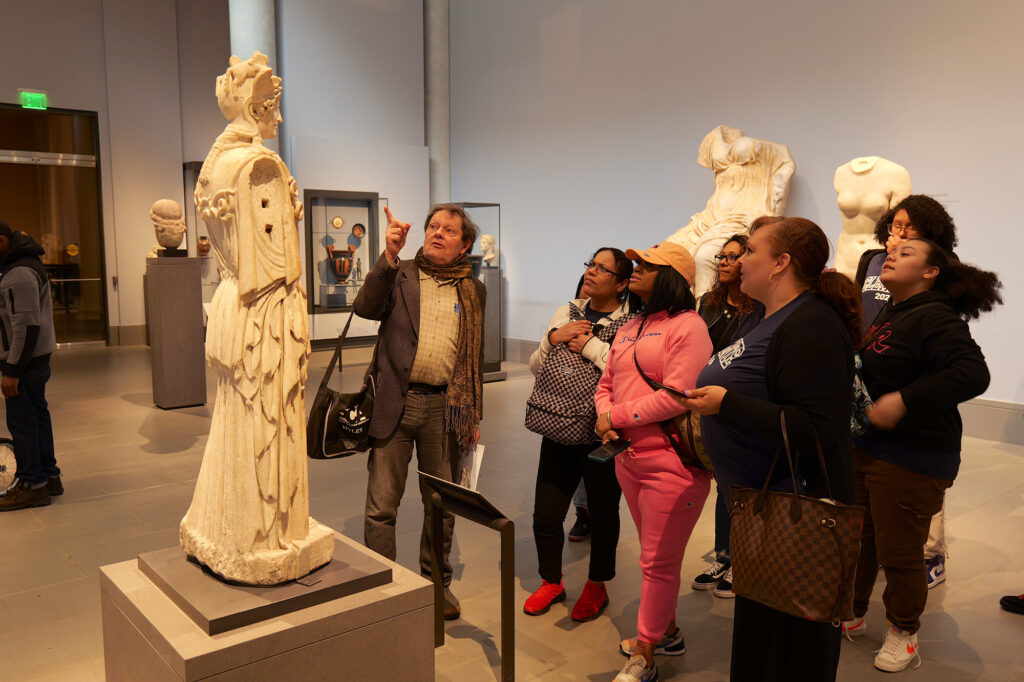
In early April, students from the Clemente Course in the Humanities visited the Museum of Fine Arts Boston (MFA) for a day of art appreciation and community building. Students from Springfield, Holyoke, Worcester, Brockton, and New Bedford Clemente sites explored an array of galleries and exhibits featuring a diverse range of artists and media, from […]
Museum on Main Street returns for “Voices and Votes” in Massachusetts
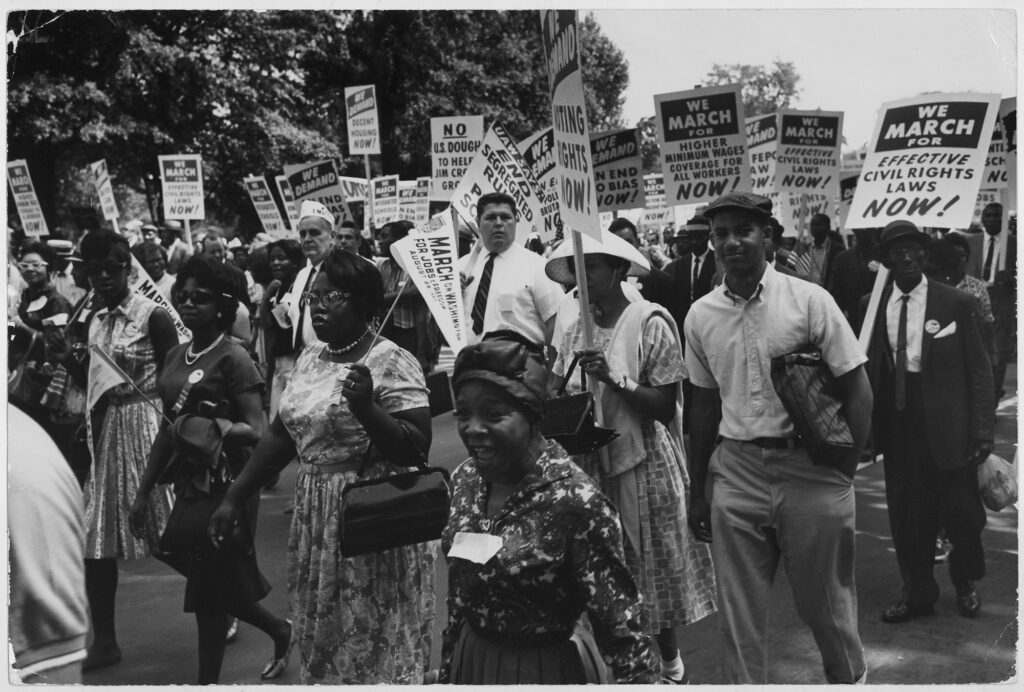
By Marie Pellissier, Program Officer We at Mass Humanities are so excited to bring back the Museum on Main Street (MoMS) program! MoMS is a collaboration with the Smithsonian Institution Traveling Exhibition Service (SITES) and six local partners in rural communities across the state. In 2025-2026, we’re bringing the exhibition “Voices and Votes: Democracy in […]