|
|
|
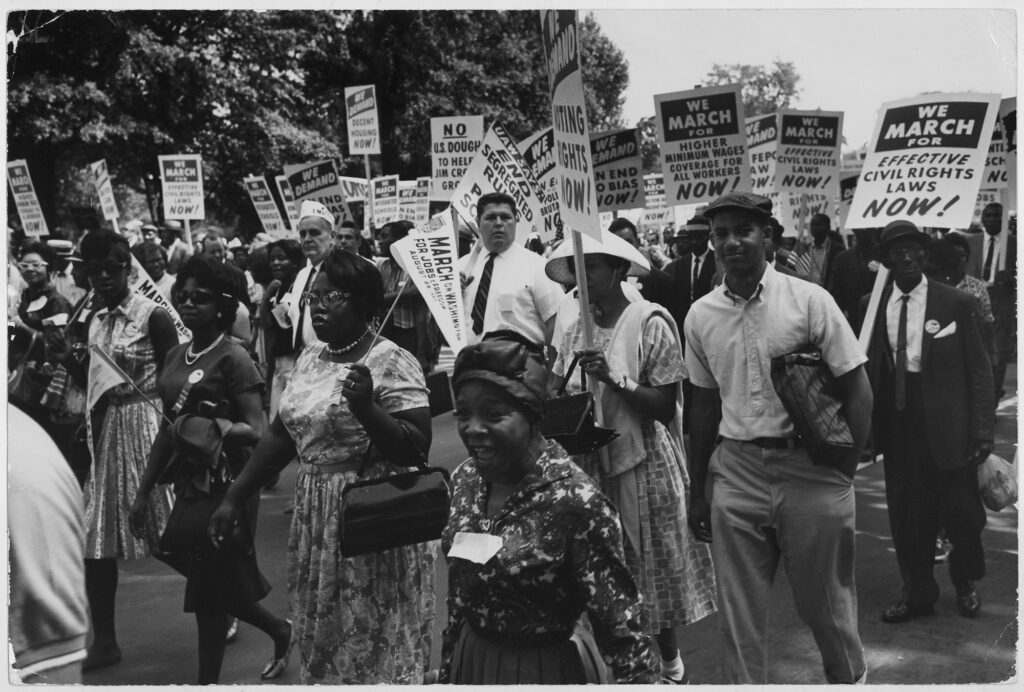
Crisis, Community, and Civic Culture Mass Humanities' strategic initiative Mass Humanities current guiding theme is Crisis, Community, and Civic Culture. We give precedence to theme-inspired projects in everything we do, including our own programming, our partnerships, and our grant making (details are available in the grants portion of the website). What we mean by that four-part phrase is explained in some detail below. Crisis, Community, and Civic Culture explained American history is punctuated by social, economic and political crises giving rise to collective action – sometimes progressive, other times reactionary, sometimes peaceful and other times violent – from the Sons of Liberty and Shays' Rebellion in the eighteenth century to abolitionism, the Know Nothings and the settlement movement of the nineteenth century; from the suffragists, the civil rights and environmental movements of the twentieth century to the Tea Party movement of today. Collective action has often led our nation through crisis to a period of recovery and relative stability. One thing is certain: if collective action, whether within the political system or outside of it, is to work, it must be informed by an understanding of the root causes of the crisis and of the possible solutions. Today's challenges include (but are not limited to) the impact of global climate change on the world; our unsustainable health care system; and the crisis in our public education system, which does not seem to be producing informed citizens or equipping us to succeed in the global economy. Especially heartrending and challenging is the persistence of dire poverty in this, the richest nation on earth. Some fear that this confluence of challenges has led to a fraying of the social contract, as Americans seem to be losing faith in the ability of our systems of government to deal with even the most tractable problems. Other observers offer a more optimistic view, arguing that transformations in American society are leading to a new enlightenment – a fundamental reorientation of the American character away from wanton consumption and toward a new global citizenry in an age of limited resources. Whichever view one embraces, history teaches that if the challenges we face today are to be resolved, we must find ways to reach consensus on the underlying causes of the problems and develop responses to them grounded in the best available information and in mutual trust and collaboration. How do we accomplish this? One way is to apply the insights and methods of the humanities, to invite multiple perspectives and illuminate the values that were at stake in past crises and those at stake today. We can examine assumptions, establish priorities, and better understand what it takes to foster the empathy and sense of common purpose that are needed for collective action. Our new theme, Crisis, Community and Civic Culture, supports initiatives of this nature. As humanists, we ask:
This list of questions is merely suggestive, not directive or exclusive as should be clear from this list of theme-related projects. It is important to stress that Mass Humanities is dedicated to using the humanities to enhance and improve civic life – to providing people with the means to use the humanities to develop their understanding. Whatever the topic, the primary purpose of the program must be inquiry and not advocacy. | ||||||